
September is one of the busiest times of year for interior home renovations across Kelowna and the Okanagan. Getting work done before winter sets in makes practical sense, whether you are remodeling a kitchen, updating a basement, or opening up a floor plan.
If your home was built before 1990, renovation prep requires more than picking paint colors and ordering materials. Homes built or renovated before 1990 have a greater likelihood of containing asbestos in certain building materials. Disturbing older building materials can release invisible asbestos fibers into your air supply, posing real health risks to your household and contractors. Understanding what to look for and how to handle it is the most critical part of your fall planning.

Where Asbestos Hides in Pre-1990 Homes
Until the late 1980s, builders across British Columbia relied heavily on asbestos for its fireproofing, strength, and insulating properties. Even as regulations began phasing out its production, contractors frequently used up existing supplier stocks well into the late 1980s. This means asbestos-containing materials may also be found in some homes built in the early 1990s, particularly if builders were using materials that had already been purchased or stocked before 1990.
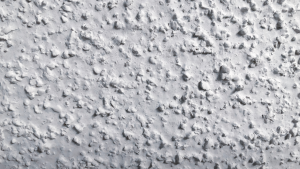
It was commonly mixed into popcorn ceilings, textured acoustic plaster, and the drywall joint compound used to finish walls. In kitchens and bathrooms, it often lurks beneath your feet in vinyl sheet flooring, linoleum, floor tiles, and their backing adhesives. Behind the scenes, you might uncover it wrapped around heating ducts, insulating pipes, serving as furnace gaskets, or sitting as loose-fill vermiculite insulation in your attic. Even your home’s exterior isn’t immune, as older stucco and cement board siding frequently contained the mineral.
How do I know if I have asbestos in my home before renovating?
The only reliable way to know whether a building material contains asbestos is to have it professionally sampled and tested before renovation work begins. If your home contains older or unknown building materials, do not cut, sand, drill, scrape, or demolish them until they have been properly assessed.
You cannot identify asbestos simply by looking at it. Because asbestos fibers are microscopic and blended directly into everyday building materials, color, texture, or age alone will not give you a definitive answer.
The most critical rule is to leave suspected materials entirely intact. Asbestos poses the highest risk when it is disturbed, and cutting into a wall, sanding old drywall mud, or breaking up floor tiles can disturb it. Undisturbed and sealed materials present minimal immediate danger, but the moment you create dust, you create a hazard.
To know for sure before you start your project, you need to arrange for professional testing. When renovation or demolition work could disturb asbestos-containing materials, WorkSafeBC requirements may require a hazardous materials assessment before workers begin disturbing those materials. Arranging professional asbestos testing before your Kelowna renovation gives you clear information about whether hazardous materials are present and whether removal or another form of abatement is required.
What is the difference between asbestos abatement and asbestos removal?
These two terms are often used interchangeably on estimates, but they describe very different levels of work. Understanding the distinction ensures you know exactly what level of protection you are paying for.
Asbestos removal refers specifically to the physical act of detaching, extracting, and transporting the hazardous materials off-site to an authorized disposal facility. It is simply the act of taking it out.
Asbestos abatement, on the other hand, is a comprehensive risk-management process designed to isolate, contain, and control the hazard from the moment the crew arrives through final cleanup, inspection, and any required clearance or air monitoring. Removal is just one stage within a full abatement protocol.
In short, removal describes taking asbestos-containing material out of the building, while abatement describes the broader process used to manage the asbestos hazard safely. Removal may be one part of an abatement project.
When you hire a team for certified hazardous material abatement in Kelowna, you are investing in a highly controlled environment. Before any material is touched, technicians seal off the work area with heavy plastic poly-sheeting to prevent dust from migrating into your clean living spaces. They operate specialized air scrubbers equipped with HEPA filters to draw air through the workspace, creating negative pressure so airborne particles cannot escape.
The extraction itself is carefully controlled, often using wet methods to suppress dust. If a material cannot be safely removed without risking wider structural damage, it may be securely encapsulated instead. Throughout the project, crews use multi-stage decontamination chambers to ensure they leave all contaminants inside the perimeter. Finally, the job isn’t complete until the required cleanup, inspections, and clearance procedures have been completed to confirm the work area is ready for safe re-entry.

What Should I Do If I Find Suspected Asbestos During Renovations?
If you uncover a material you suspect may contain asbestos after your renovation has already started, stop work immediately and avoid disturbing it further. Keep family members, pets, and other workers away from the area until it can be professionally assessed.
Do not sweep, dry-dust, or use a household vacuum to clean up suspected asbestos debris, as these actions can spread microscopic fibres into the air and throughout the home. Contact a qualified asbestos professional to determine whether testing and abatement are required before work resumes. Continuing demolition before the material has been assessed can spread contamination and make remediation more extensive.
Pre-Renovation Safety Checklist
While much of the heavy lifting should be left to the pros, there are a few things you can do to prepare for a successful, hazard-free project:
- Schedule testing early: Factor lab analysis time into your renovation schedule before hiring trade crews or renting tools.
- Avoid DIY sampling: Cutting or scraping materials yourself without containment gear can contaminate your furnace ducts and living quarters.
- Request official documentation: Ask your abatement contractor what clearance documentation, inspections, or air monitoring will be provided when the job is complete.
Asbestos is also one of several hazardous materials that may be uncovered during renovations. Depending on the age and condition of your property, a pre-renovation assessment may identify other concerns, such as lead-containing materials or mould, that should be addressed before construction continues.
Identifying hazardous materials early keeps your fall renovation moving forward without unexpected shut-downs or health risks. Taking care of testing and any necessary abatement early in the fall can also help prevent hazardous-material surprises from delaying your project as winter approaches.

With 40 years of experience serving Kelowna and the South-Central Interior, Stutters Restorations provides certified asbestos testing, containment, and complete abatement services.
- 24/7 Service Line: 1-877-763-1540
- Online Quote Requests: Request a Quote at Stutters.com